
How to Make Thai Spice Mix for Authentic Street-Food Flavor
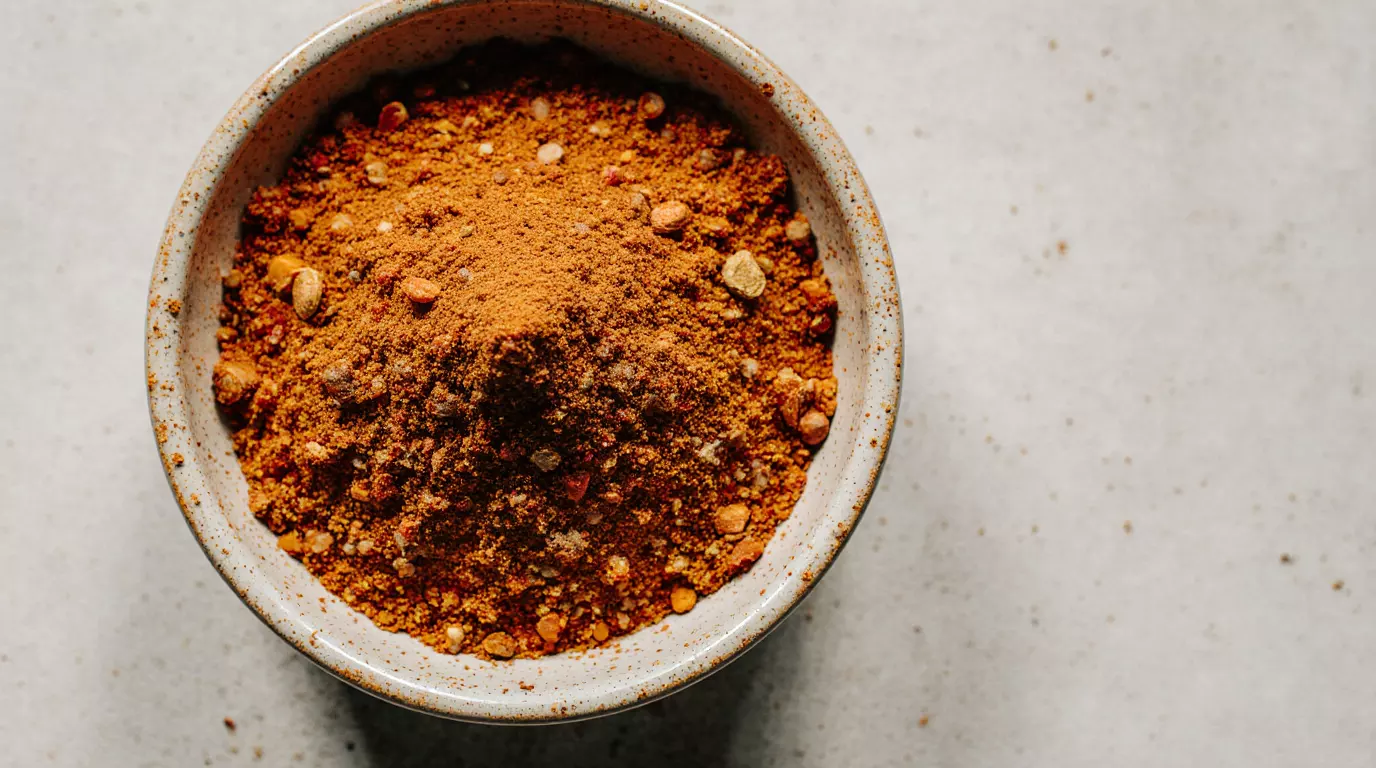
Thai Spice Mix
This Thai Spice Mix is a vibrant and aromatic blend of classic Thai seasonings. Perfect for adding bold flavor to stir-fries, curries, marinades, and grilled dishes with just the right balance of heat and depth.
- Prep5 min
- Total5 min
- Servings12
Ingredients
Main Ingredients
- 2 tbsp ground coriander
- 1.5 tbsp ground cumin
- 1 tbsp paprika (sweet or mild)
- 1 to 2 tsp ground chili powder (adjust to heat preference)
- 1.5 tsp ground ginger
- 1 tsp garlic powder
- 1 tsp onion powder
- 1 tsp ground white pepper
- 1 tsp dried lime zest powder (or finely grated dried lime peel)
- 1/2 tsp ground turmeric
- 1/2 tsp ground cinnamon
Instructions
- Combine all spices in a small mixing bowl.
- Stir or whisk until evenly blended.
- Store in an airtight spice jar or container.
- Use to season curries, marinades, stir-fries, or roasted vegetables.
- Keeps for up to 6 months in a cool, dark place.
Nutrition
| Calories | 10 kcal |
| Protein | 0.3 g |
| Fat | 0.2 g |
| Carbohydrates | 2 g |
| Fiber | 1 g |
| Sugar | 0 g |
There is a moment that happens to a lot of home cooks. You want Thai-inspired flavor, but you do not want to pull out ten sauces, three pastes, and half the pantry just to season one dish. That is usually when Thai spice mix becomes the quiet solution. One jar, one scoop, and the flavor suddenly makes sense.
This matters because Thai food is all about balance. Heat, salt, aromatics, and warmth working together. When that balance is off, dishes taste flat or aggressively spicy. A good dry spice mix gives you structure before you ever add fresh ingredients.
In this guide, I will show you how to build a Thai dry spice mix that works in real kitchens. You will get one primary recipe, understand why each spice is there, and learn how to use it across proteins, vegetables, and meal prep without losing that Thai-inspired identity.
Quick Answer
Thai spice mix is a dry blend of spices and aromatics inspired by Thai flavors, typically including chili, coriander, cumin, ginger, and citrus elements. It adds warmth, depth, and balance to dishes without relying on sauces or pastes.
What Thai Spice Mix Is and What It Is Not
Let’s clear this up early.
A mixed spices Thai blend is not trying to replace curry paste or fresh herbs. It plays a different role.
What it is:
- A dry seasoning blend
- Designed for rubs, quick sautés, and meal prep
- A flavor foundation, not a finished sauce
What it is not:
- A curry powder
- A shortcut for fish sauce, lime, or fresh herbs
- A one-note “spicy” blend
In my kitchen, this works because I use it the same way I use salt. It sets the tone early, then I layer fresh elements later if the dish needs them.
The Flavor Logic Behind Thai Mixed Spices
Thai flavors rely on contrast more than heaviness. Even dry blends need that philosophy.
A good thai mixed spices blend should include:
- Heat, but not only heat
- Warm spices for body
- Aromatics for lift
- A hint of citrus brightness
That is why this blend uses dried aromatics and citrus zest powder instead of sugar-heavy seasonings. It stays flexible and clean.
The Primary Recipe: Homemade Thai Spice Mix
This is the single, complete recipe for the article.
Yield
About ½ cup spice mix
Enough for 10 to 14 dishes depending on use
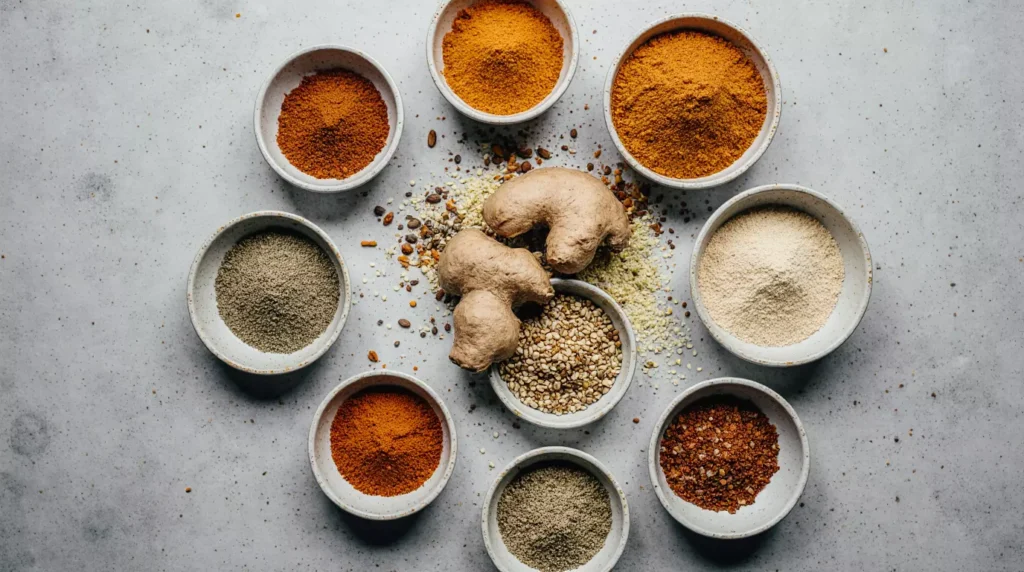
Ingredients
- 2 tablespoons ground coriander
- 1½ tablespoons ground cumin
- 1 tablespoon paprika (sweet or mild)
- 1 to 2 teaspoons ground chili powder (adjust to heat preference)
- 1½ teaspoons ground ginger
- 1 teaspoon garlic powder
- 1 teaspoon onion powder
- 1 teaspoon ground white pepper
- 1 teaspoon dried lime zest powder or finely grated dried lime peel
- ½ teaspoon ground turmeric
- ½ teaspoon ground cinnamon
Optional but useful:
- ½ teaspoon ground lemongrass (if available)
- ¼ teaspoon ground cloves for warmth
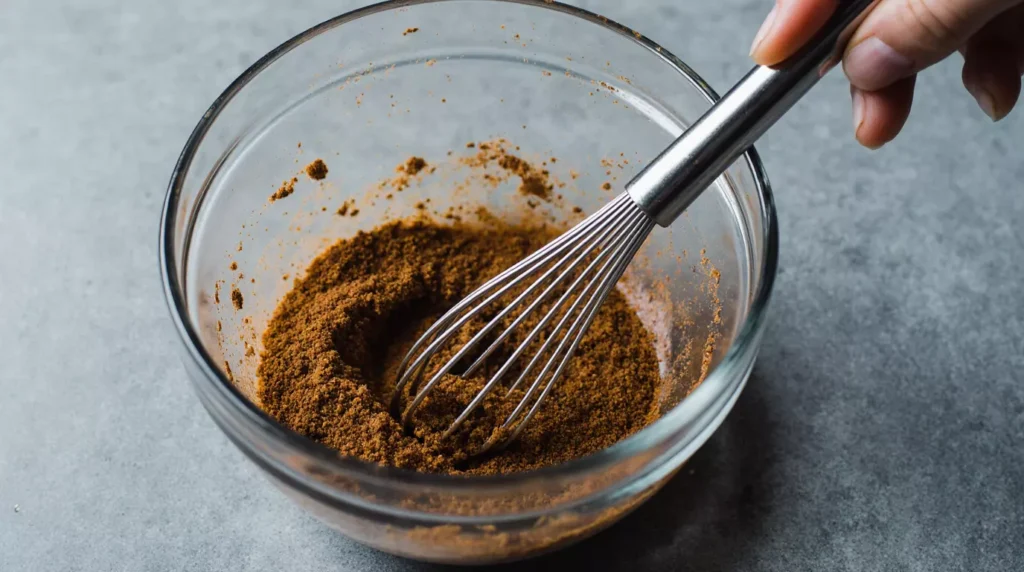
Instructions
- Add all spices to a bowl.
- Whisk thoroughly to distribute evenly.
- Transfer to an airtight jar.
- Label with date and store away from heat and light.
That is it. No toasting required, no grinding necessary unless you want to customize further.
Macronutrient Overview (Per Teaspoon, Estimated)
| Nutrient | Amount |
|---|---|
| Calories | 6 kcal |
| Protein | 0.3 g |
| Carbohydrates | 1 g |
| Fat | 0.2 g |
Values are estimates. Spices are used in small quantities and do not significantly impact overall nutrition.
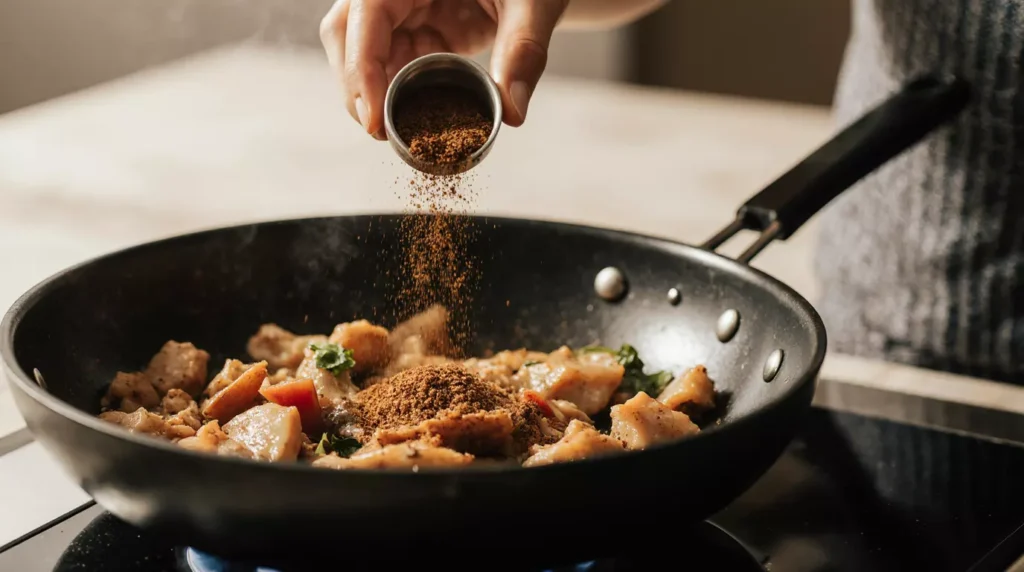
Why This Thai Dry Spice Mix Works in Real Life
In my kitchen, this works because it respects how home cooking actually happens. You are seasoning quickly, often before work or after a long day.
This blend:
- Dissolves evenly in oil
- Does not burn easily
- Plays well with chicken, shrimp, tofu, and vegetables
- Works hot or cold
I often reach for it when I want something light and sharp, similar to how I approach clean dishes like tuna carpaccio, where balance matters more than intensity.
How to Use Thai Spice Mix (Practical Guide)
Here is how I actually use it week to week.
As a Protein Rub
- Chicken thighs: 1½ teaspoons per pound
- Shrimp: 1 teaspoon per pound
- Tofu: 1 teaspoon per block
Mix with oil before cooking.
In Stir-Fries
Add ½ to 1 teaspoon early in the pan with oil. Finish with fresh lime or herbs.
In Soups and Broths
Add ½ teaspoon per quart of liquid. Adjust after simmering.
For Meal Prep
This blend works especially well in batch cooking, similar to the approach I use when planning microwave meal prep, because the flavor holds even after reheating.
Building a Complete Thai-Inspired Dish
A spice mix is only part of the picture. To keep flavors authentic-feeling, I layer like this:
- Oil + Thai spice mix at the start
- Protein or vegetables cooked until just done
- Acid at the end (lime, vinegar)
- Fresh herbs if available
This prevents dryness and keeps dishes bright.
Storage and Shelf Life
Store your spice mix:
- In a sealed glass jar
- Away from direct heat
- Out of sunlight
Best flavor window: 4 to 6 months
Safe to use longer, but aroma will fade.
I store it next to other high-use blends so it becomes part of daily cooking, not a special-occasion jar.
Adjusting the Blend to Your Taste
This recipe is balanced, not extreme. You can adjust without breaking it.
- More heat: increase chili gradually
- More warmth: add a pinch more cinnamon
- More citrus feel: add more dried lime zest
- Less earthy: reduce cumin slightly
Avoid adding sugar. Thai flavor balance comes from acid and salt, not sweetness in dry blends.
How This Fits With Other Meals
I often pair Thai-spiced mains with simple sides. Rice, roasted vegetables, or light seafood dishes.
For example, after a Thai-spiced chicken meal, I keep dessert intentionally simple, sometimes something familiar like zero sugar Oreo cookies, so the meal feels complete without clashing flavors.
For seafood nights, the blend complements lighter items too. I have used it subtly alongside dishes inspired by smoked oysters, keeping the seasoning gentle and aromatic.
Learning More About Structured Meal Planning
If you enjoy flavor-forward cooking but want structure around protein and prep, articles like Weekly Muscle Meals: A High-Protein Prep Plan Anyone Can Stick To show how spice blends like this fit into consistent routines.
Spice mixes are one of the easiest ways to keep meals interesting without adding complexity.
Common Mistakes With Thai Spice Mix
Using too much
This is a background blend, not a finishing salt.
Adding it too late
Spices need oil and heat early to bloom.
Expecting sauce-level flavor
Dry spice mixes need acid and salt added later to shine.
What is Thai spice blend made of?
What are the 7 Thai spices?
What is a substitute for Thai spice mix?
What spices are in Thai 5 spices?
Final Thoughts From My Kitchen
A good Thai spice mix should feel reliable, not intimidating. This blend is bold without being aggressive and flexible enough to work across proteins, vegetables, and meal prep.
Once you make it once, it becomes a jar you reach for without thinking. That is the real test of any homemade spice mix. Not how complex it looks, but how often you actually use it.