
Gluten Free Risotto Made Easy With 5 Proven Techniques
Gluten Free Risotto
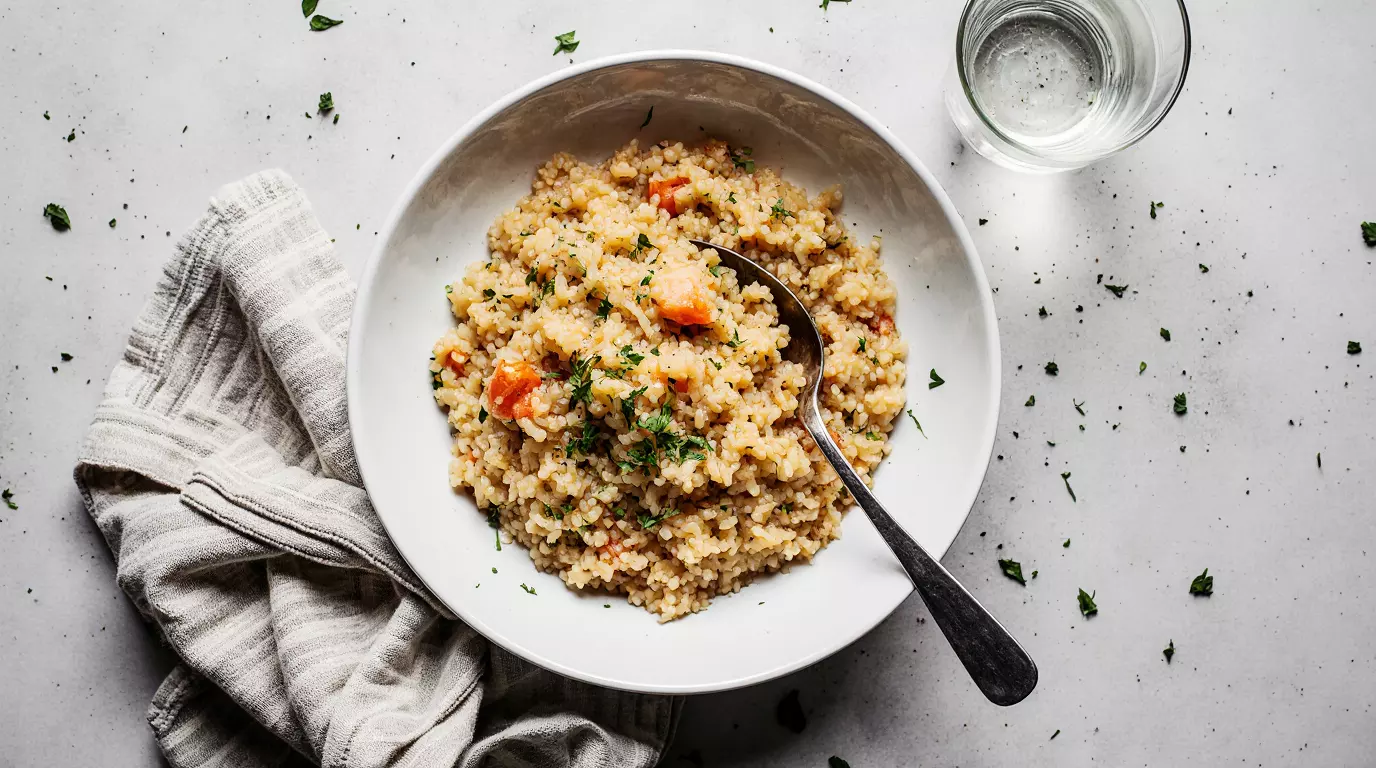
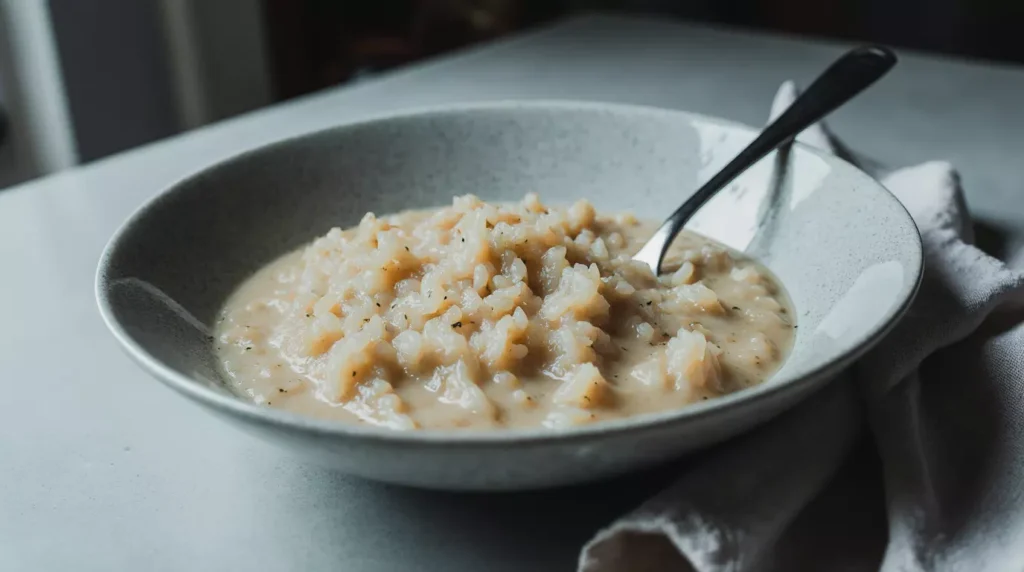
This Gluten Free Risotto is creamy, comforting, and naturally gluten-free thanks to Arborio rice and a rich broth. A simple yet elegant dish perfect for weeknight dinners or dinner parties.
- Prep10 min
- Cook30 min
- Total40 min
- Servings4
Ingredients
Main Ingredients
- 1 cup Arborio rice
- 4 cups gluten-free chicken or vegetable broth (warmed)
- 1/2 cup white wine (optional)
- 1 small onion (finely chopped)
- 2 tbsp olive oil
- 1/3 cup grated Parmesan cheese
Instructions
- Heat olive oil in a pan and sauté onion until translucent.
- Add Arborio rice and stir for 1 to 2 minutes to coat.
- Pour in white wine and cook until absorbed.
- Gradually add warm broth, 1 cup at a time, stirring constantly.
- Continue adding broth and stirring until rice is creamy and al dente.
- Stir in Parmesan cheese and serve warm.
Nutrition
| Calories | 390 kcal |
| Protein | 10 g |
| Fat | 12 g |
| Carbohydrates | 55 g |
| Fiber | 2 g |
| Sugar | 2 g |
Gluten free risotto is one of those dishes that causes unnecessary confusion. Many home cooks ask is risotto gluten free and hesitate before making it, worried that hidden ingredients or cooking methods might cause problems. In reality, risotto is naturally gluten free when prepared correctly. It relies on rice, not wheat, to achieve its signature creamy texture.
The misunderstanding usually comes from the way risotto is cooked, not from what it is made of. Unlike many creamy dishes, risotto does not need flour, cream, or thickeners. Its richness comes from starch released by short-grain rice and careful technique. Once you understand this, risotto becomes one of the safest and most comforting meals in a gluten free kitchen.
If you already enjoy naturally creamy rice dishes, a velvety pea risotto uses the same principles and shows how simple ingredients can deliver deep flavor without gluten.
What Makes Risotto Naturally Gluten Free
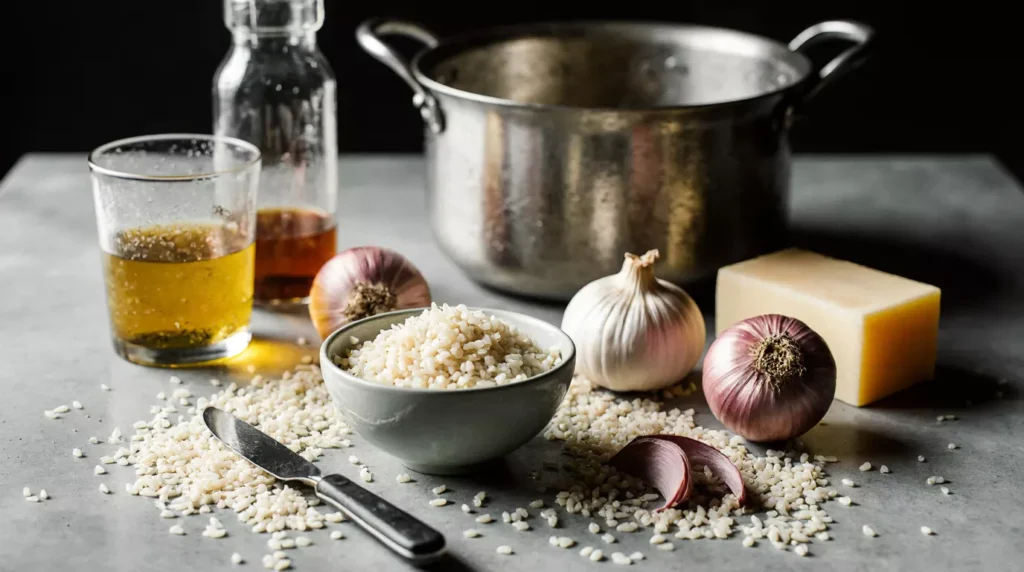
Risotto is built on short-grain rice varieties such as Arborio, Carnaroli, or Vialone Nano. These rices contain a high amount of amylopectin, a starch that slowly releases during cooking. As the rice absorbs warm stock and is gently stirred, this starch creates a creamy consistency without any added thickening agents.
This is why risotto gluten free dishes do not require substitutions. The texture is achieved through patience and technique rather than ingredients that could introduce gluten. When prepared properly, risotto is one of the most reliable naturally gluten free comfort foods available.
Where Gluten Can Sneak In Without You Realizing
While the rice itself is safe, gluten can still appear in risotto through other ingredients if you are not careful.
Stock and Broth
Many commercial stocks contain flavor enhancers, yeast extracts, or stabilizers that include gluten. Always choose certified gluten free stock or make your own at home. Homemade stock also improves flavor and gives you full control.
Cheese and Dairy
Most traditional risotto cheeses such as Parmigiano Reggiano and Pecorino Romano are naturally gluten free. Problems usually arise with pre-shredded cheeses that contain anti-caking agents. Grating cheese fresh avoids this risk.
Added Proteins and Flavorings
Sausages, cured meats, spice blends, and prepared vegetables can contain fillers or coatings made from wheat. Reading labels carefully is essential when adding extras to your gluten free risotto recipe.
Understanding these points removes uncertainty and allows you to cook with confidence.
Choosing the Right Rice for Gluten Free Risotto
Not all rice behaves the same way. Using the wrong variety will lead to disappointment, even if everything else is done correctly.
Arborio is the most common choice and widely available. It produces a creamy risotto and is forgiving for beginners. Carnaroli holds its shape better and delivers a refined texture often preferred by chefs. Vialone Nano cooks faster and absorbs flavor deeply, making it ideal for vegetable based risottos.
All three are naturally gluten free and designed specifically for risotto cooking.
Technique 1 Toast the Rice Properly
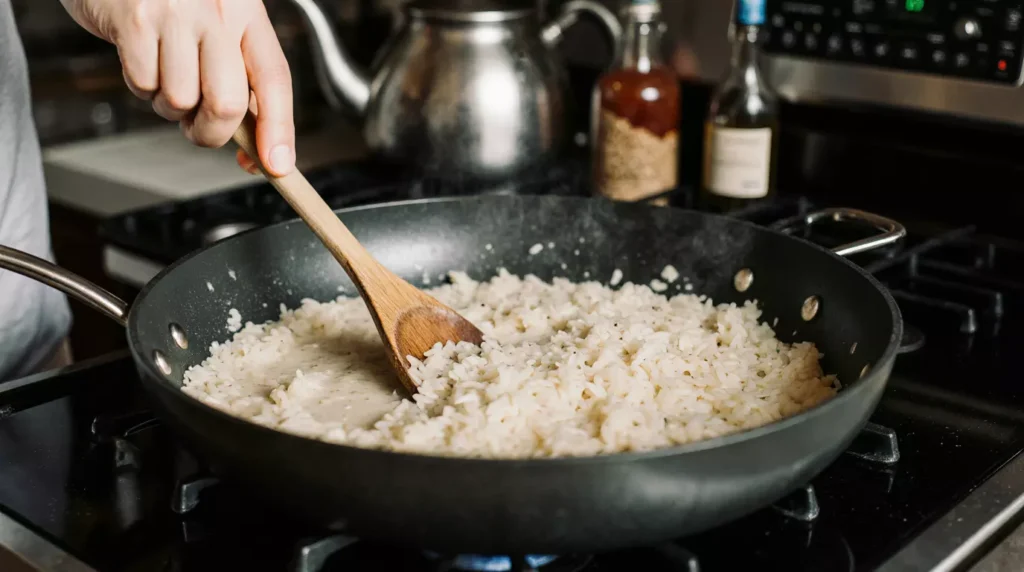
Toasting the rice is the first critical step. Heat olive oil or butter in a wide pan and add the rice, stirring until each grain is coated and slightly translucent around the edges.
This step seals the grain and controls how starch is released later. Skipping this stage often results in uneven texture or mushy rice. Proper toasting sets the foundation for a creamy yet structured risotto.
Technique 2 Add Warm Stock Gradually
Cold liquid shocks the rice and disrupts starch development. Keep your stock warm in a separate pot and add it one ladle at a time.
This gradual process allows the rice to absorb liquid evenly and release starch slowly. The result is creaminess without heaviness. This gentle method is similar to the slow building of flavor found in dishes like smoked salmon chowder, where patience creates depth rather than rushing.
Technique 3 Stir With Purpose Not Panic
Risotto does not require constant stirring, but it does require attention. Stirring after each addition of stock encourages starch release and prevents sticking. Between stirs, allow the rice to simmer quietly.
Overstirring can break the grains, while understirring can cause uneven cooking. Finding the balance is key.
Technique 4 Maintain a Gentle Simmer
Heat control matters more than timing. Risotto should bubble gently, never boil aggressively. High heat causes liquid to evaporate before the rice cooks fully, while low heat prevents proper starch release.
A steady simmer ensures consistent texture from start to finish.
Technique 5 Finish With Butter and Cheese
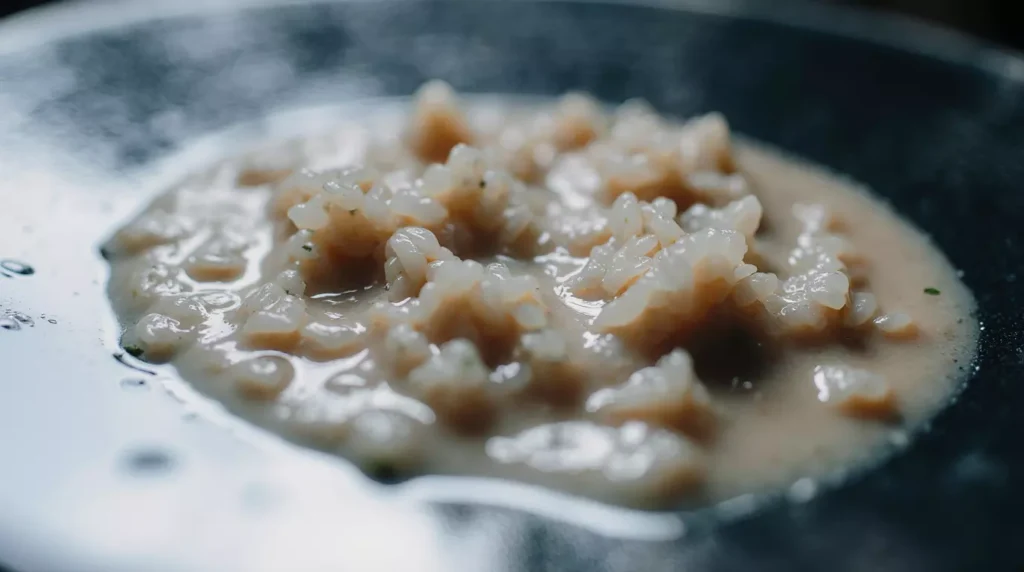
The final step, often called mantecatura, transforms risotto. Butter and cheese are stirred in off the heat, creating a glossy, cohesive texture that feels indulgent without cream.
This step is where gluten free risotto becomes luxurious while remaining naturally safe.
How Gluten Free Risotto Fits Into Balanced Eating
Risotto works best when enjoyed intentionally. Portion size and pairing matter more than restriction. It can be served as a main dish with vegetables or seafood, or as a smaller portion alongside protein.
Many people alternate comforting meals like risotto with lighter planning days such as low carb vegetarian meal prep to maintain flexibility across the week without feeling deprived.
Nutrition Overview of Gluten Free Risotto
A standard serving of risotto provides steady carbohydrates from rice, moderate fat from butter and cheese, and small amounts of protein. When paired with vegetables or seafood, it becomes a balanced and satisfying meal.
The key is moderation and ingredient quality rather than avoidance.
Macronutrient Table Per Serving
| Nutrient | Approximate Amount |
|---|---|
| Calories | 420 kcal |
| Protein | 11 g |
| Carbohydrates | 58 g |
| Fiber | 3 g |
| Fat | 16 g |
| Saturated Fat | 8 g |
| Sodium | 480 mg |
Values vary depending on ingredients and portion size.
Gluten Free Risotto Flavor Variations
Once you master the base technique, risotto becomes endlessly adaptable.
Vegetable based risottos highlight seasonal produce like peas, mushrooms, or squash. Seafood versions feel elegant and light. Cheese forward versions work best when kept simple and finished carefully.
Earlier in the day, many people prefer something refreshing like a bee pollen smoothie before enjoying a richer meal later.
Storage and Reheating Without Ruining Texture
Risotto is best eaten fresh, but leftovers can still be enjoyable if handled properly.
Store risotto in an airtight container for up to two days. Reheat gently with warm stock or water, stirring slowly to restore creaminess. Avoid high heat reheating, which breaks texture quickly.
Pairing Gluten Free Risotto With Other Dishes
Risotto pairs well with simple sides that contrast its creaminess. Roasted vegetables, crisp salads, or lightly grilled seafood balance the richness.
For dessert, aromatic flavors work better than heavy sweetness. A slice of Earl Grey tea cheesecake offers a refined finish that does not overwhelm the meal.
Can risotto be gluten free?
Can gluten free eat Arborio rice?
Is risotto healthier than pasta?
Is parmesan ok for gluten free?
Does rice trigger gluten intolerance?
What are common risotto mistakes?
Final Thoughts From Alex
Gluten free risotto does not require substitutes or special tricks. It requires understanding rice, heat, and patience. Once mastered, risotto becomes one of the most dependable dishes in a gluten free kitchen.
It proves that comfort food does not need shortcuts. With the right technique, risotto delivers richness, safety, and satisfaction in one dish.